
Power & energy
Batteries, shore input, generator state, charging and electrical quality.
GlassBridge
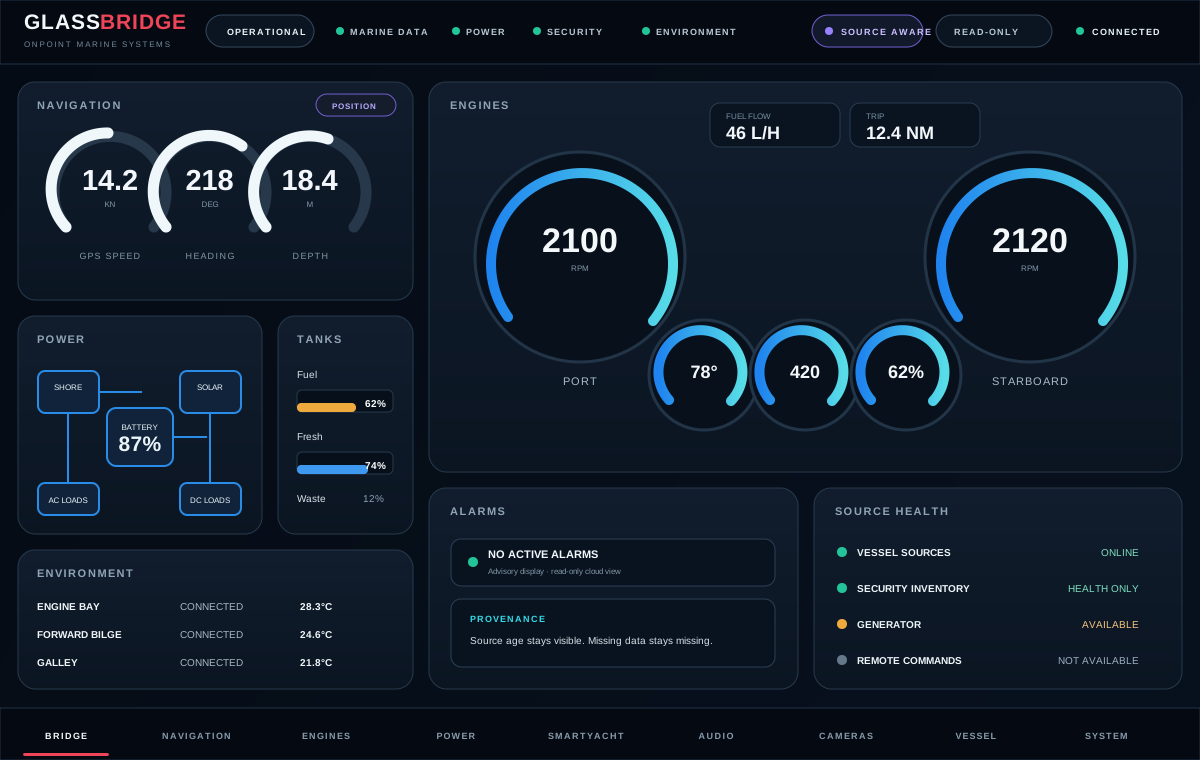
GlassBridge is the local-first, touch-first Yacht OS being built in the YachtNot lab: one precise view across navigation context, engines, power, tanks, alarms, cameras, audio and source health, with authenticated remote access kept read-only.
 GlassBridgeOnPoint marine systems
The problem
Many yachts separate navigation, propulsion, batteries, charging, tanks, cameras, music, environmental data and alarms across unrelated interfaces. GlassBridge brings the monitored picture together without creating a new single point of failure.
Primary surfaces
Batteries, shore input, generator state, charging and electrical quality.
Fresh water, waste, fuel where available, temperatures, humidity and environmental sensors.
A calm view of authorised onboard cameras without exposing blind spots or sensitive topology.
Audio zones, selected comfort systems and the everyday interfaces owners actually use.
Good, stale, missing, error and simulated data states—so silence is never mistaken for health.
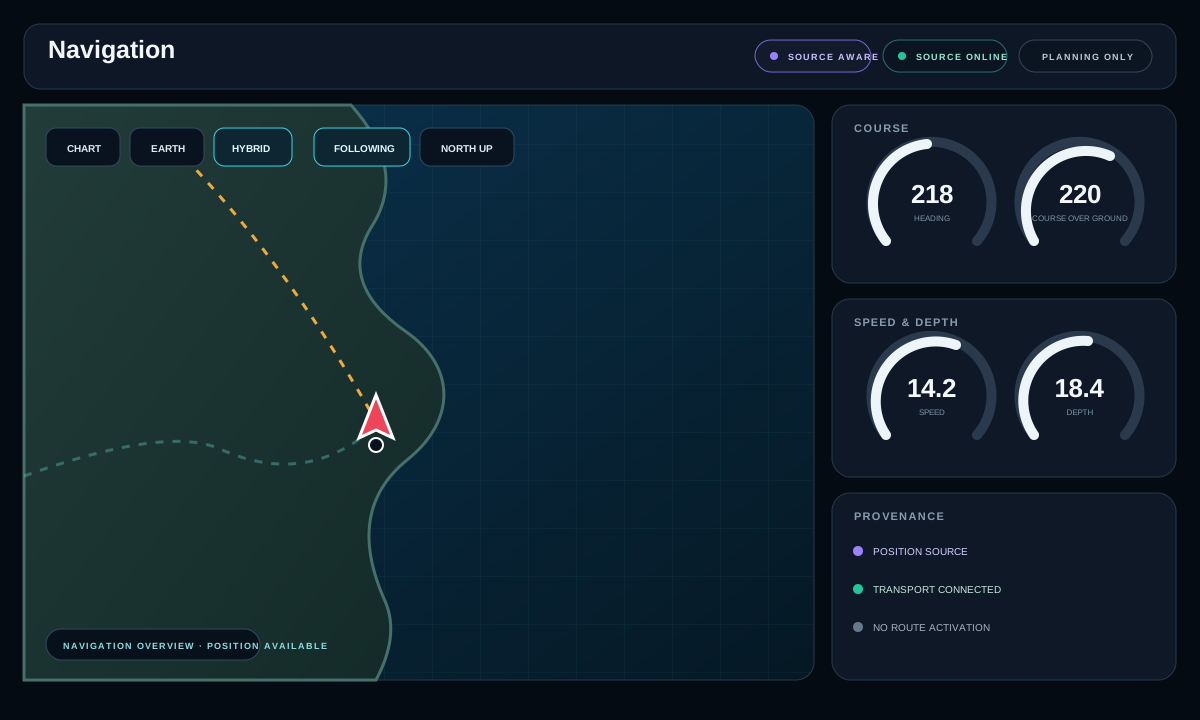
Engine and navigation information only after the correct networks, permissions and safety boundaries exist.
Architecture boundary
The interface sits above real systems. It does not replace them.
Approved integrations supply vessel observations with origin, quality and age.
The touch-first helm experience runs aboard and remains useful without internet access.
Authenticated remote views receive observations without cloud acknowledgement or command paths.
Bridge, Navigation, Engines, Power, SmartYacht, Audio, Cameras, Vessel and System share one shell.
The lab build
The current YachtNot lab brings together Victron power monitoring, secured UniFi infrastructure and cameras, Sonos, environmental observations, local servers, storage and Yacht Assistant. Each screen keeps the origin and age of monitored data visible.
Follow the local-first lab build, the vessel integration and every decision in between.